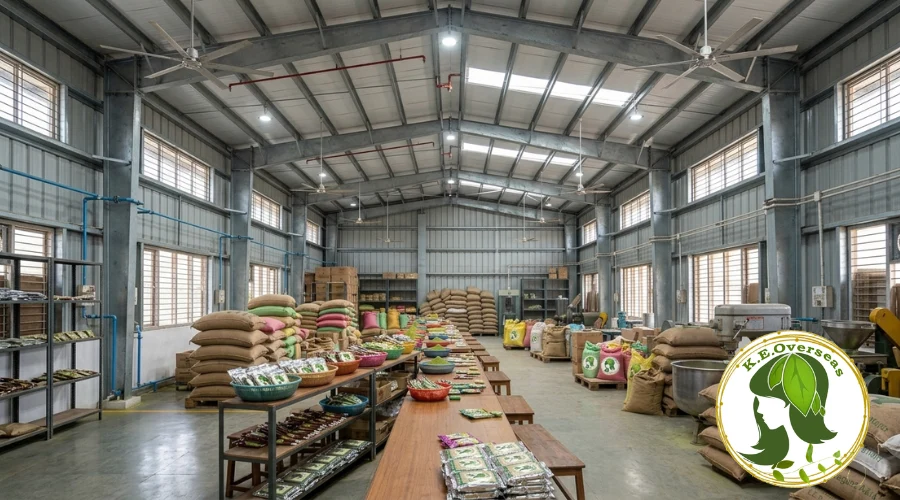



In the dynamic world of beauty and personal care, hair dye suppliers play a crucial role in keeping salons, retailers, and consumers stocked with vibrant colors year-round. But when seasonal demand spikes hit like during holiday parties, back-to-school rushes, or summer weddings the pressure intensifies. How do hair dye suppliers navigate these peaks without running out of stock or compromising quality? This article explores the strategies, challenges, and innovations that enable suppliers to handle surges effectively, ensuring that everyone can achieve their perfect shade when it matters most.
Understanding Seasonal Demand Patterns in Hair Dye
Hair dye isn’t just a product; it’s tied to life’s rhythms. Demand spikes typically occur during key seasons: spring for fresh starts and weddings, summer for beach-ready looks, fall for back-to-school transformations, and winter for holiday festivities. For instance, a hair dye supplier might see a 30-50% increase in orders around Halloween or New Year’s, as people experiment with bold colors or cover grays for events.
These patterns are driven by consumer behavior. Social media trends, fashion weeks, and cultural events amplify interest think of the viral TikTok challenges that turn pastel pinks into must-haves. Hair dye suppliers analyze historical data, market trends, and even weather forecasts to predict spikes. By using tools like sales analytics software, they forecast demand months in advance, allowing proactive planning rather than reactive scrambling.
Sourcing Raw Materials Ahead of Time
The foundation of handling seasonal spikes lies in robust sourcing. Hair dye suppliers source ingredients like indigo powder, henna, ammonia, and pigments from global suppliers. During off-peak times, they build buffer stocks of these materials to avoid shortages.
For natural dyes, like those from henna powder manufacturers, suppliers establish long-term partnerships with farmers and processors. This ensures a steady flow of high-quality, organic materials. Synthetic components come from chemical manufacturers, where bulk orders are negotiated to secure discounts and priority delivery. By diversifying suppliers perhaps sourcing indigo from India and henna from Morocco a hair dye supplier mitigates risks like crop failures or geopolitical disruptions.
Sustainability is key too. Ethical hair dye suppliers prioritize eco-friendly sourcing, reducing waste and appealing to conscious consumers. This forward-thinking approach not only prepares for spikes but also builds brand loyalty.
Optimizing Production and Manufacturing
Once materials are secured, production ramps up. Hair dye suppliers operate facilities that can scale operations during peaks. This might involve adding shifts, hiring temporary workers, or automating processes to increase output without sacrificing safety or quality.
For example, a supplier might produce base formulas in bulk during slower months, then customize shades on demand. Quality control is paramount every batch undergoes rigorous testing for color consistency, pH balance, and allergen safety. Advanced labs use spectrophotometers to ensure dyes meet standards, preventing recalls that could derail seasonal sales.
Innovation plays a role here. Some hair dye suppliers invest in just-in-time manufacturing, using AI to adjust production lines based on real-time demand data. This flexibility allows them to handle unexpected spikes, like those triggered by a celebrity endorsement.
Inventory Management Strategies
Managing inventory is like walking a tightrope: too much stock ties up capital, too little leads to lost sales. Hair dye suppliers use sophisticated inventory management systems to strike the balance. They employ techniques like ABC analysis, categorizing products by demand high-volume staples like black and brown dyes get priority.
During spikes, suppliers implement safety stock levels, keeping extra inventory in warehouses. For perishable items, like ammonia-based dyes with expiration dates, they rotate stock using FIFO (first in, first out) methods. Cloud-based software integrates with point-of-sale systems, providing real-time visibility into stock levels across distribution centers.
To handle global demand, suppliers might use regional warehouses. A hair dye supplier in the US could stock up in Europe for transatlantic shipping, ensuring quick fulfillment. This strategy minimizes delays and keeps shelves stocked during peak seasons.
Logistics and Distribution During Peaks
Logistics become a battlefield during seasonal rushes. Hair dye suppliers partner with shipping companies to secure capacity, often negotiating contracts for priority lanes. They use multimodal transport trucks, trains, and planes to move goods efficiently.
Technology aids in this: GPS tracking and route optimization software ensure timely deliveries. For international orders, customs clearance is streamlined with pre-approved documentation. During the holiday season, suppliers might offer expedited shipping options to retailers, helping them meet consumer expectations.
Sustainability enters the picture again, with suppliers opting for eco-friendly packaging and carbon-neutral shipping to align with green trends. This not only handles spikes but also enhances brand image.
Marketing and Sales Tactics to Leverage Spikes
Seasonal demand isn’t just a challenge it’s an opportunity. Hair dye suppliers ramp up marketing to capitalize on it. They launch targeted campaigns, like “Summer Glow-Up” promotions, using social media ads and influencer partnerships to drive sales.
Loyalty programs reward repeat customers, while bundle deals (e.g., dye kits with applicators) encourage larger purchases. Suppliers collaborate with salons and online retailers for exclusive launches, creating buzz and exclusivity.
Data-driven insights help tailor efforts. By analyzing customer preferences, a hair dye supplier might stock more vegan options during eco-conscious seasons. This proactive marketing turns spikes into revenue boosts.
Overcoming Challenges in Seasonal Demand
Handling spikes isn’t without hurdles. Supply chain disruptions, like those from natural disasters or pandemics, can halt production. Hair dye suppliers mitigate this with contingency plans, including backup suppliers and diversified sourcing.
Labor shortages during peaks are common, so suppliers invest in training programs and temp agencies. Quality dips can occur under pressure, but stringent protocols prevent this. Cost inflation on raw materials is another issue; suppliers hedge with futures contracts to stabilize prices.
For smaller hair dye suppliers, scaling up might strain finances. They often seek financing or partnerships with larger distributors to weather the storm. Community engagement, like supporting local events, builds goodwill and indirect sales.
Innovations Shaping the Future
The future of handling seasonal demand looks bright with technology. AI and machine learning predict spikes with greater accuracy, allowing hair dye suppliers to automate ordering. Blockchain ensures traceability, building trust in supply chains.
Sustainability innovations, like biodegradable dyes from henna powder manufacturers, reduce environmental impact. E-commerce platforms enable direct-to-consumer sales, bypassing traditional channels during peaks.
As consumer preferences shift toward personalized products, suppliers are exploring customization tools, letting customers mix shades online. This not only meets demand but also fosters loyalty.
Mastering the Art of Seasonal Supply
In the fast-paced beauty industry, a hair dye supplier’s ability to handle seasonal demand spikes is a testament to strategic planning and adaptability. From sourcing materials to leveraging marketing, these suppliers ensure that vibrant transformations are always within reach. By embracing innovation and sustainability, they not only survive peaks but thrive, setting the stage for a colorful future.
Whether you’re a retailer stocking up or a consumer planning your next dye job, understanding these behind-the-scenes efforts highlights the complexity of keeping the beauty world spinning. So, next time you grab that bottle of hair dye, remember the meticulous work that makes it possible.