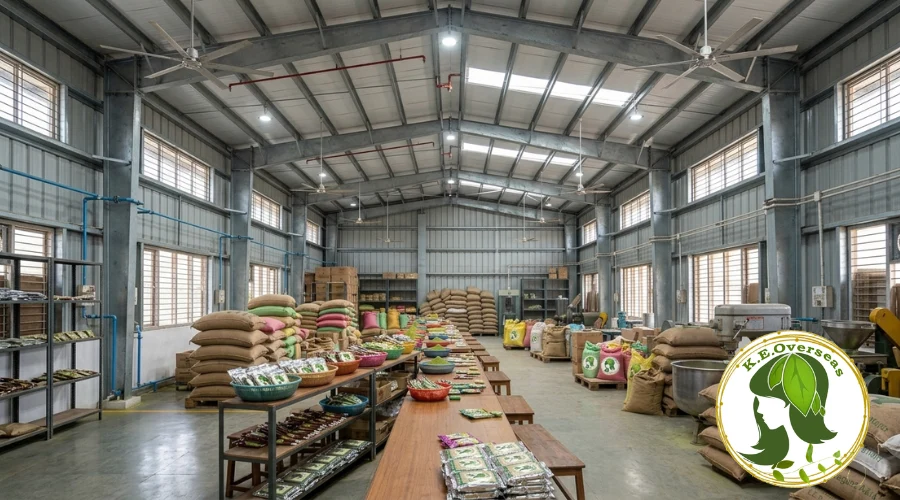


A visible shift towards the use of products and components derived from nature has been experienced in the beauty industry. There has been an increasing trend of consumers’ desire for hair coloring products that have desirable color combinations along with formulation processes that are plant-derived and considerate in terms of production processes. As a result, natural hair coloring producers have found many opportunities in manufacturing products that merge both the age-old knowledge of plants and their modern-day production processes.
Hair coloring using natural elements has a long history especially among those areas in which herbs, leaves, roots, and botanical powders have been used for hair treatment purposes. In today’s world, manufacturers are learning from the above-mentioned practices but with emphasis on factors such as consistency, convenience, quality formulation, and performance of the final product. Henna Manufacturer, for example, is one company that is helping in shaping the category of natural hair color solutions.
Natural Hair Color – The Rising Trend
Nowadays, hair coloring is not limited only to synthetic products. Quite a number of people are searching for alternatives in the form of natural or plant-based products. This growing trend has attracted a significant amount of interest towards natural hair colors among retailers, salons, private labels, and professional cosmetics markets.
Consumers find several benefits in the use of natural hair color products. Botanical ingredients, tradition, simplicity, or individual preferences may attract consumers to purchase such products. Companies search for trustworthy producers who will be able to create products in commercial amounts and of consistent quality.
As a result, companies produce more elaborated natural and herbal hair color product lines. Natural coloring is seen not as an alternative to conventional coloring but as a completely different product line with its unique properties.
Botanical Materials and Their Usage in Natural Hair Color
One of the main components of natural hair color is plant materials. Henna is a good example of such products; it is used for the coloring of hair in reddish, copper, and brown shades depending on a particular formula and procedure. Other botanical materials could be included into the formula to create different shades or to enhance the general composition of the product.
For the companies producing natural hair color, it is essential to select and prepare the right botanical materials. As we know, plant materials could differ due to various reasons, for instance, environmental factors, harvesting and storing processes, etc. It is important to control such variations, as the final result should be consistent.
That is why modern manufacturing includes traditional knowledge about botanical materials and controlled processing techniques.
The Significance of Henna in Natural Hair Coloring
Henna has stayed relevant in the natural hair coloring product market due to its historical presence in botanically-derived hair coloring treatments. It has always been obtained from the henna plant leaves and used as powder in hair coloring.
In contemporary times, henna hair coloring products could either contain henna as a primary ingredient or combine henna with other formulations. In any case, the shade of the hair would depend on the type of botanical ingredients, proportion, preparation, and natural hair qualities of the consumer.
Manufacturers have to stay true to tradition when making modern hair coloring products from henna. This is necessary to cater to contemporary demands for convenience, consistency, reliability, and shade information of the products.
What Is So Special about Herbal Hair Color?
When discussing herbal hair color, it is important to note that the product emphasizes botanical substances, including coloring agents, and does not imply usage of artificial coloring systems only. Based on the formula used, herbs can be combined in order to achieve certain color outcomes.
It is necessary to remember that the definition of “herbal” is very broad in nature, and consumers need to study the real list of ingredients used and characteristics of the product in order to buy the appropriate one. Manufacturers of high-quality natural hair colors monitor the quality of materials they use in order to guarantee consistency of the finished product.
In case your company intends to enter the herbal beauty market, cooperation with an experienced manufacturer will be helpful.
Quality of Natural Hair Color Production Begins with the Raw Materials
The quality of any natural hair color product does not begin when the final package is made; the quality process starts way before that. Choice of raw material can impact many aspects such as color performance, texture, scent, stability, and even product consistency. Proper sourcing, handling, and storage of botanical raw materials are vital.
Natural raw materials may be inconsistent by their nature, and therefore a proper quality control process should be employed to ensure that no unnecessary inconsistencies appear at the end.
This is yet another reason why companies need to assess natural hair color manufacturers well before partnering with them for production of the products.
The Relationship between Modern Processing and Traditional Knowledge
Hair coloration through natural means is an example of innovation and tradition coming together. Traditional knowledge forms the basis for many coloring methods that use plants while modern processing brings standardization, accurate measurements, quality packaging, and tests into the mix.
In this way, it becomes possible to develop hair coloring products that utilize ingredients used traditionally but are made with modern consumers in mind. This makes it possible to optimize such factors as texture, size of the particles, mixing, packaging, and directions.
Henna Manufacturer is involved in the broader natural hair coloring industry, providing support for companies looking to use henna and other herbs as coloring agents. Having a manufacturer available who possesses the necessary product knowledge may prove very helpful to brands.
Customization and Private Labeling Possibilities
Along with the growth of natural beauty, there is also a growing need for customization and private-label products. Beauty companies may need their own range of herbal hair colors with certain shade combinations, packaging, branding, and positioning.
Cooperation with natural hair color producers who are experienced in private-labeling can be beneficial for a brand when it comes to creating a marketable product from an idea. The level of customization will depend on what the manufacturer can offer and it might include development of formulations, shade combinations, packaging, labeling, and even quantity of the product.
It is possible to create a business brand by relying on private-label manufacturing without having to invest in full production facilities.
Consistency is Important for Natural Products
The term “natural” does not eliminate the importance of consistent manufacturing. On the contrary, there may be a particular need for consistency when using botanical ingredients. The client will have an expectation of certain product features regardless of how often the product was purchased.
A business will require monitoring systems for incoming materials, production lots, mixing, packaging, and product quality control. Consistent manufacturing could help brands increase client trust and ensure product consistency.
For companies buying hair color products from natural hair coloring manufacturers, it is equally important to assess manufacturing process quality as well as the ingredient list.
The Future of Natural Hair Color Production
The natural hair color industry is still developing due to the growing interest of customers in botanical cosmetic options. This means that manufacturers are going to experiment with new ingredient combinations, product formulations, custom shades, and application methods.
In the future, there should be some balance between the centuries-old tradition of using plants for coloring and the current requirements for production processes. Those who know how to find this balance will be able to make appealing products for consumers looking for something natural.
With time, the importance of natural hair color manufacturers will only increase because their main task is to turn agricultural raw materials and traditions into commercial goods.
From an individual leaf or plant powder to a contemporary hair color product, there is much more involved other than just blending together natural elements. It entails the ability to source well, formulate well, process well, manage quality, and know consumer expectations.
The ongoing effort by natural hair color manufacturers shows how traditional beauty practices can be converted into modern-day commercial solutions. Starting from henna hair colors to a range of herbal hair colors, manufacturers assist brands meet the consumer demand for nature-based beauty products. With our knowledge in henna and natural hair colors solutions, Henna Manufacturer will be a suitable manufacturing partner to any firm looking to venture into this growing segment. As the beauty industry keeps embracing nature-inspired products, the art of natural hair colors will remain a mix of tradition, innovation, and manufacturing expertise.