

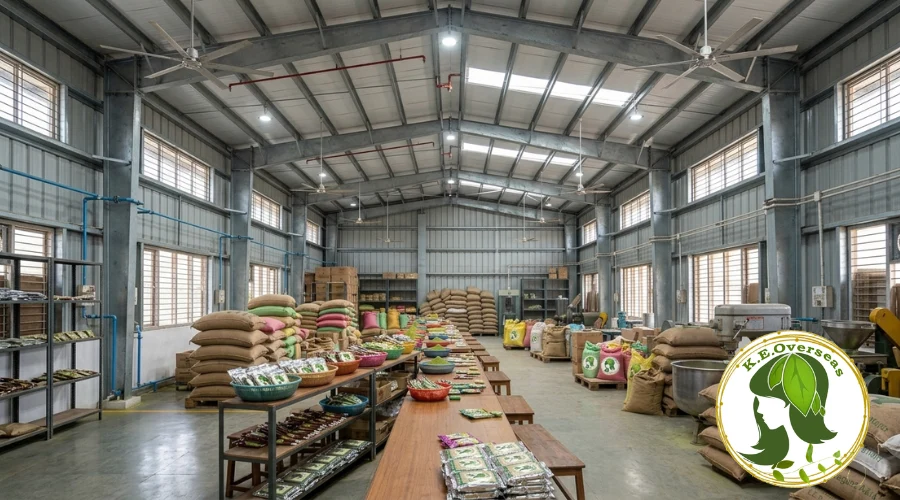
Walk into any international beauty or wellness expo today, and you’ll notice something interesting henna isn’t just sitting in a corner anymore. It’s front and center, packaged, certified, and often labeled with terms like “PPD-free,” “cosmetic grade,” or “ISO certified.” That shift didn’t happen overnight.
For decades, India has been the world’s largest producer of henna, thanks to the fertile soil and ideal climate of regions like Sojat in Rajasthan. But being the biggest producer and being export-ready are two very different things. Global buyers today whether in the US, Europe, the Middle East, or Southeast Asia expect far more than good color and fine powder. They want traceability, safety data, and consistent quality batch after batch.
This is exactly why the modern henna manufacturer in India has had to evolve. Let’s look at what that evolution actually looks like on the ground.
Why Export Standards Became Non-Negotiable
A few years ago, a lot of henna trade happened informally. A buyer would sample a batch, place an order, and hope the next shipment matched the first one. That worked when henna was a niche product. It doesn’t work anymore.
International regulations around cosmetic and body-art products have tightened considerably. The EU, for instance, restricts or bans several chemical additives that were once common in “black henna” and other quick-color variants. The US FDA keeps a close eye on unapproved color additives too. So when a henna supplier wants to sell into these markets, they can’t just ship a product and hope it clears customs it needs documentation to back every claim on the label.
This regulatory pressure has actually been good for the industry. It’s pushed manufacturers to clean up formulations, standardize testing, and think about henna less like a traditional cottage product and more like a regulated cosmetic ingredient.
Quality Control Has Moved From the Field to the Lab
Traditionally, henna quality was judged by touch, smell, and color of the leaf. Experienced buyers could tell a good batch just by rubbing the powder between their fingers. That skill still matters, but it’s no longer enough on its own.
Today, a serious henna powder manufacturer runs lab tests for:
- Dye content (lawsone percentage) this determines how strong and long-lasting the stain will be.
- Heavy metal contamination soil quality varies, and buyers now ask for certificates of analysis confirming lead, arsenic, and mercury are within safe limits.
- Microbial testing since henna is applied directly to skin, contamination from poor storage or handling is a real concern.
- Particle size and moisture content finer, well-dried powder performs more consistently and has a longer shelf life.
None of this replaces traditional knowledge of the crop. It builds on it. The best manufacturers are the ones who combine generations of farming expertise with lab-backed verification, so buyers get both authenticity and assurance.
Certifications Are No Longer Optional Extras
Ask any established henna manufacturer exporting today, and they’ll tell you certifications used to be a “nice to have.” Now they’re often the first thing a buyer asks about before even discussing price.
Some of the certifications that have become standard in export conversations include:
- ISO 9001 for quality management systems
- GMP (Good Manufacturing Practices) certification for hygienic processing
- Halal certification, especially for buyers in the Middle East and parts of Southeast Asia
- Organic certification (USDA Organic, India Organic, or ECOCERT) for the growing clean-beauty market
- REACH compliance for European buyers, confirming the product doesn’t contain restricted substances
Getting these certifications isn’t a quick process. It usually means overhauling processing units, training staff on hygiene protocols, and maintaining detailed batch records. But manufacturers who’ve made the investment report something interesting buyers stop negotiating so hard on price once trust is established through paperwork, not just samples.
Packaging and Labeling Have Grown Up Too
It’s easy to overlook packaging, but it’s often where export shipments get held up. Countries have specific requirements around ingredient labeling, allergen warnings, batch numbers, and expiry dates.
A henna supplier shipping to the EU, for example, needs multilingual labels, an ingredient list that matches EU cosmetic regulation formatting, and often a Cosmetic Product Safety Report (CPSR) prepared by a qualified safety assessor. That’s a far cry from the simple jute sacks or plain poly bags henna used to travel in.
Manufacturers who’ve adapted well now offer:
- Vacuum-sealed, moisture-resistant packaging to preserve freshness during long shipping times
- Clear batch coding for traceability
- Tamper-evident seals, which buyers increasingly expect for cosmetic-grade products
It might seem like a small detail, but packaging is often the first physical proof of quality a buyer sees. Get it wrong, and even a great product can look unprofessional.
Sustainability Is Becoming Part of the Pitch
Global buyers particularly in Europe and North America are asking more questions about how henna is grown and processed. Was it grown without harmful pesticides? Are farmers paid fairly? Is water usage during processing being managed responsibly?
Some manufacturers have started working directly with farmer cooperatives to ensure better traceability from field to factory. This isn’t just good ethics it’s good business. Brands building their own natural or Ayurvedic product lines want to tell a sustainability story to their customers, and that story only works if the supply chain actually supports it.
It’s worth noting this shift is still uneven across the industry. Larger, export-focused manufacturers have moved fastest, while smaller, domestic-focused units are only beginning to explore these practices. But the direction of travel is clear.
Technology Is Quietly Changing the Backend
You won’t see this in marketing material, but a lot of the real transformation is happening behind the scenes. Automated grinding and sieving equipment now produces more consistent particle sizes than manual processing ever could. Moisture-controlled storage units keep powder stable for longer, reducing spoilage during export transit.
Some manufacturers have also started using digital batch tracking systems, so if a buyer ever raises a quality concern, the exact farm, harvest date, and processing conditions for that batch can be pulled up in minutes. That kind of traceability used to be unimaginable in an industry built on informal, trust-based trade.
What This Means for International Buyers
If you’re a buyer sourcing henna today, this shift is genuinely good news. It means you can now find an established henna manufacturers network in India offering lab-tested purity, proper certifications, and export-ready packaging without having to compromise on the natural quality henna is known for.
That said, not every supplier has made this transition equally. It’s still worth asking for certificates of analysis, checking certification validity, and where possible requesting samples from the actual batch you’ll be purchasing, not just a “reference sample” from a previous shipment.
Indian henna has always had a reputation for quality, rooted in centuries of cultivation knowledge in regions like Sojat. What’s changed is the infrastructure around that quality testing, certification, packaging, and traceability built specifically to meet the expectations of a global, regulation-conscious market.
For manufacturers, this transition hasn’t been easy or cheap. But it’s opened doors to markets that were previously out of reach simply because buyers couldn’t verify safety and consistency. And for international buyers, it means sourcing henna is no longer a gamble it’s a partnership backed by data, documentation, and a genuine commitment to quality.
The manufacturers who’ve embraced this change aren’t just keeping up with global standards. In many ways, they’re setting the benchmark for what natural cosmetic ingredients from India can look like on the world stage.