

In the vibrant world of hair coloring, indigo powder stands out as a timeless natural dye that has been transforming locks into shades of deep blue-black for centuries. As an indigo powder manufacturer, the process of creating and refining this pigment is both an art and a science. Manufacturers like those specializing in natural dyes must navigate complex chemical and botanical processes to optimize color for hair dye applications. This article delves into the intricate methods indigo powder manufacturers use to ensure vibrant, long-lasting results, while highlighting the role of innovation in meeting modern beauty demands.
The Origins and Appeal of Indigo Powder in Hair Dye
Indigo powder, derived from the leaves of the Indigofera plant, has roots in ancient civilizations. Used by the Egyptians, Indians, and even in traditional Japanese dyeing techniques, indigo has evolved from a textile dye to a staple in the hair industry. Today, indigo powder manufacturers produce this natural alternative to synthetic dyes, appealing to consumers seeking eco-friendly, chemical-free options.
What makes indigo powder ideal for hair dye? Its unique molecular structure allows it to penetrate hair shafts, creating rich, natural hues that mimic the depth of midnight skies. Unlike synthetic blues that can fade quickly, indigo offers durability and a subtle sheen. Indigo powder manufacturers focus on purity and potency to deliver consistent results, ensuring that each batch meets the high standards of professional salons and DIY enthusiasts alike.
Sourcing and Extraction: The Foundation of Quality Indigo Powder
The journey begins with sourcing high-quality Indigofera plants. Indigo powder manufacturers often collaborate with farmers in regions like India, Thailand, and parts of Africa, where the plant thrives in tropical climates. Sustainable farming practices are crucial, as they ensure a steady supply without depleting natural resources.
Once harvested, the leaves undergo fermentation a traditional process that converts the plant’s indican into indigo dye. Manufacturers optimize this step by controlling temperature, pH levels, and duration to maximize color yield. For instance, precise fermentation tanks maintain ideal conditions, preventing over-oxidation that could dull the pigment. This optimization directly impacts the powder’s vibrancy, making it more effective for hair dye applications where deep, even coverage is essential.
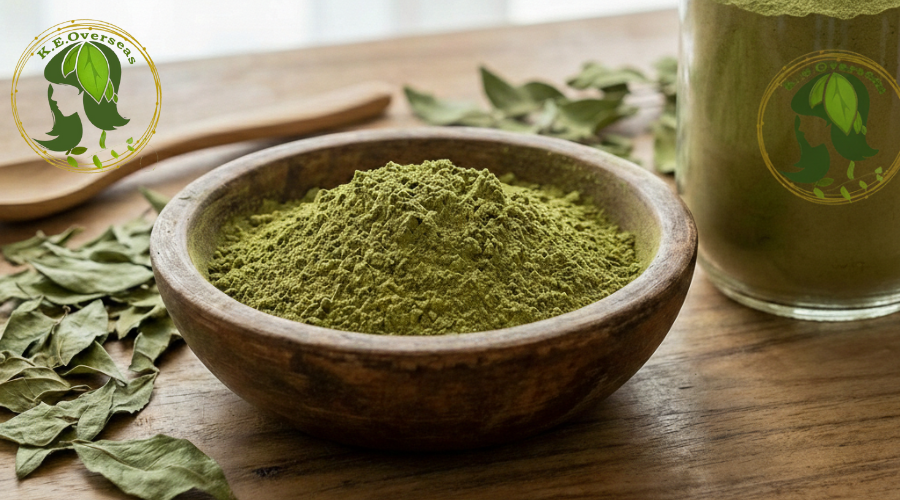
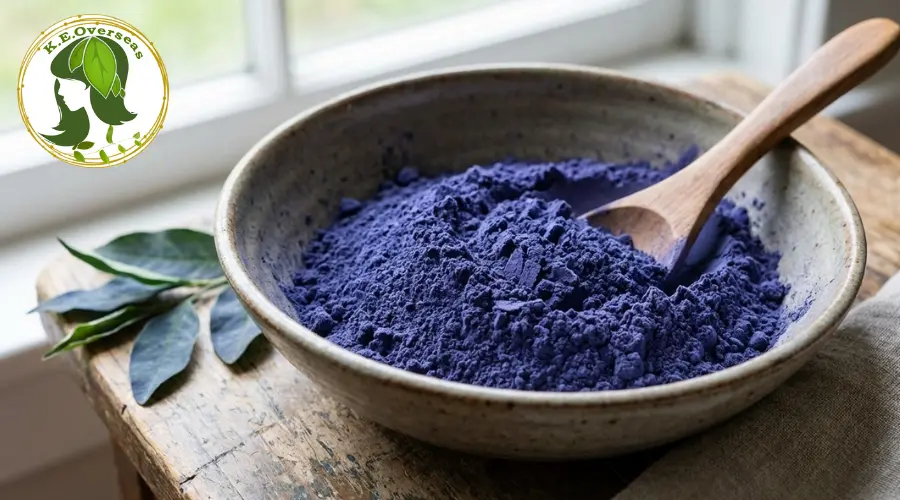
After fermentation, the indigo is precipitated, filtered, and dried into a fine powder. Advanced indigo powder manufacturers employ milling techniques to achieve uniform particle sizes, which enhance solubility and application ease. This step is pivotal for hair dye formulations, as finer particles ensure better adhesion to hair fibers, resulting in smoother color transitions.
Chemical Optimization for Superior Color Performance
At the heart of indigo powder manufacturing is the optimization of color properties. Indigo’s natural indigo blue hue can vary based on impurities and processing methods. Manufacturers use spectroscopic analysis to measure color intensity, ensuring batches align with industry standards like Pantone shades or custom specifications.
To enhance stability, indigo powder manufacturers incorporate stabilizers. These additives prevent fading from sunlight, heat, or chemical exposure common issues in hair dyes. For example, blending indigo with mordants like alum or tannins improves fixation, allowing the color to withstand washing and styling. This optimization is particularly vital for hair dye applications, where longevity is a key selling point.
pH adjustment plays a crucial role too. Indigo dyes best in alkaline environments, so manufacturers formulate powders that activate at the right pH levels during mixing. This ensures the dye oxidizes properly on hair, locking in the color without harsh chemicals. Innovative indigo powder manufacturers experiment with bio-based enhancers, such as plant extracts, to boost color depth while maintaining natural integrity.
Tailoring Indigo Powder for Diverse Hair Dye Needs
Hair dye applications demand versatility, and indigo powder manufacturers rise to the challenge by customizing products. For instance, pure indigo powder yields deep blacks, but blending with other natural dyes like henna creates nuanced shades think midnight blue or aubergine.
Manufacturers optimize for different hair types: coarse hair may require coarser particles for better penetration, while fine hair benefits from ultra-fine powders that distribute evenly. Scalp sensitivity is another consideration; hypoallergenic formulations reduce irritation, making indigo accessible to more users.
In professional settings, indigo powder manufacturers provide concentrated pastes or ready-to-mix powders, optimized for salon use. These products often include instructions for achieving gradient effects or ombre looks, where precise color control is paramount. By testing on various hair samples, manufacturers refine their offerings, ensuring reliability across demographics.
Overcoming Challenges in Indigo Powder Production
Despite its benefits, indigo powder manufacturing faces hurdles. Natural variability in plant quality can lead to inconsistent colors, prompting manufacturers to implement rigorous quality control. Batch testing with colorimeters and spectrophotometers guarantees uniformity, while traceability systems track sourcing to maintain ethical standards.
Environmental concerns are addressed through eco-friendly practices. Indigo powder manufacturers adopt water-efficient extraction methods and recycle byproducts, aligning with green beauty trends. This not only optimizes production but also appeals to conscious consumers.
Scalability is another challenge. As demand for natural hair dyes grows, manufacturers invest in automation to produce larger quantities without compromising quality. Innovations like enzymatic fermentation speed up processes, reducing costs and enhancing color optimization.
Innovations Driving the Future of Indigo Powder
The future of indigo powder in hair dye looks promising, with manufacturers leveraging technology for better results. Nanotechnology is emerging, where nano-sized indigo particles improve absorption and longevity. This could revolutionize hair dye applications, offering fade-resistant colors that last longer than ever.
Sustainability remains a focus, with indigo powder manufacturers exploring lab-grown indigo alternatives to reduce reliance on agriculture. These bioengineered options promise consistent quality and ethical sourcing.
Collaboration with beauty brands fosters innovation. Indigo powder manufacturers work with chemists to develop hybrid products, combining natural indigo with safe synthetics for enhanced performance. This synergy optimizes color for modern needs, such as ammonia-free formulas that are gentler on hair.
The Art of Indigo in Hair Dye Mastery
Indigo powder manufacturers play a pivotal role in the beauty industry, transforming a humble plant into a powerhouse of color. Through meticulous sourcing, advanced processing, and relentless optimization, they deliver hair dyes that are not only effective but also sustainable and safe. As consumers increasingly seek natural alternatives, the expertise of these manufacturers ensures that indigo remains a staple for achieving stunning, authentic looks.
Whether you’re a stylist experimenting with shades or a DIY user exploring natural beauty, understanding how indigo powder manufacturers optimize color empowers better choices. Embrace the depth and richness of indigo it’s more than a dye; it’s a tradition reimagined for today’s world.