

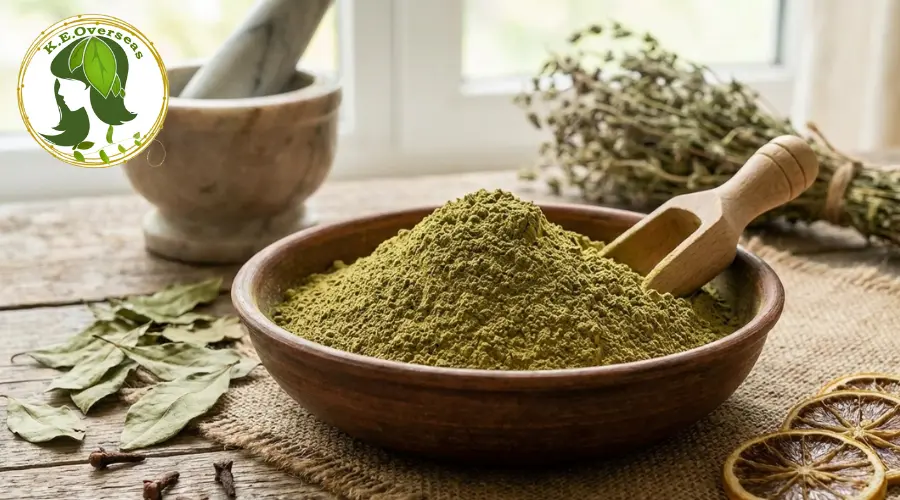
In the ever-expanding world of natural beauty products, “natural henna powder” has become a buzzword, promising everything from vibrant hair colors to intricate body art. But what does “natural” truly entail when it comes to henna powder? As consumers increasingly seek authentic, chemical-free alternatives, understanding the essence of natural henna powder is crucial. This article explores the real meaning behind the term, debunks myths, and provides practical ways to verify its authenticity. Whether you’re a henna enthusiast, a beauty professional, or simply curious, let’s dive into the heart of what makes henna powder genuinely natural and how to ensure you’re getting the real deal.
The Botanical Roots of Natural Henna Powder
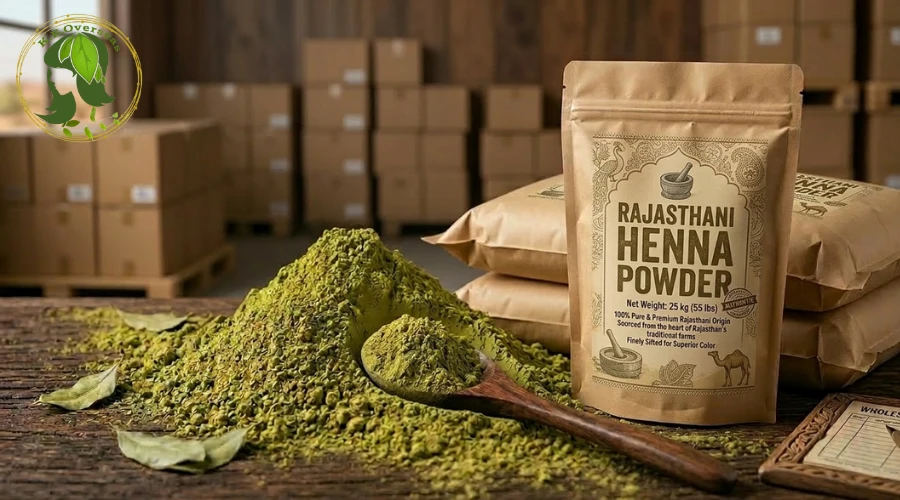
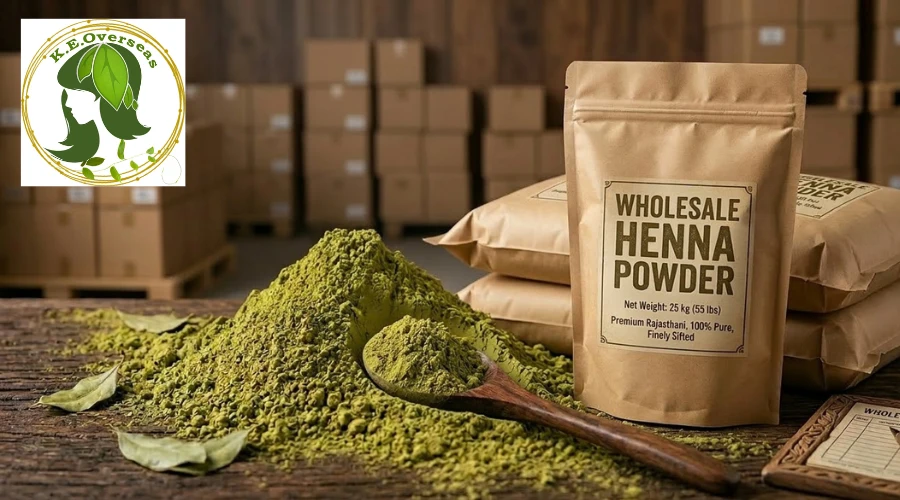
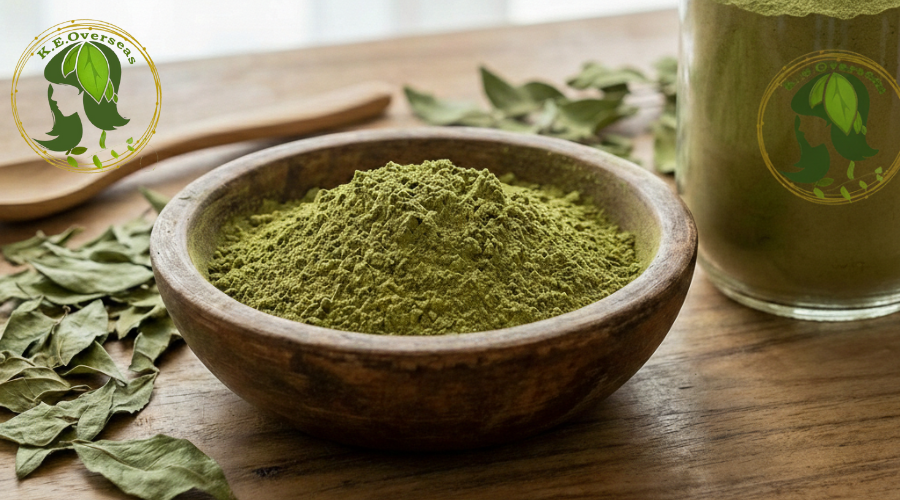
At its core, natural henna powder is derived from the Lawsonia inermis plant, a shrub native to tropical regions like India, Pakistan, and parts of the Middle East. The leaves of this plant are harvested, dried, and ground into a fine powder, which has been used for centuries in traditional practices. Unlike synthetic dyes, natural henna powder relies solely on the plant’s inherent pigments primarily lawsone to create color.
What sets natural henna powder apart is its unadulterated form. True natural henna powder contains no additives, fillers, or synthetic chemicals. It’s the pure essence of the plant, processed minimally to preserve its natural properties. Henna powder manufacturers who prioritize authenticity source leaves from organic farms, avoiding pesticides and ensuring sustainable cultivation. This commitment to purity is what gives natural henna its reputation as a safe, eco-friendly alternative to harsh chemical dyes.
However, not all henna powders on the market are created equal. The term “natural” can be misleading, as some products might claim to be natural while containing hidden ingredients. Understanding this distinction is the first step in appreciating what natural henna powder really means.
Debunking Myths: What Natural Henna Powder Is Not
One common misconception is that any henna powder labeled as “natural” is automatically pure. In reality, the beauty industry is rife with products that dilute henna with inert substances like wheat flour, cornstarch, or even synthetic dyes to cut costs. These adulterated versions may look like henna but lack the staining power and benefits of the real thing. For instance, if a henna powder doesn’t release the characteristic reddish-orange hue or lasts only a short time, it might not be truly natural.
Another myth is that natural henna powder is always 100% organic. While many reputable henna powder manufacturers adhere to organic standards, the term “natural” doesn’t necessarily imply certification. Natural henna can come from conventionally grown plants, as long as no synthetic chemicals are added during processing. The key is transparency: genuine natural henna powder should list only Lawsonia inermis as the ingredient, with no preservatives or enhancers.
There’s also confusion around “black henna,” which is often marketed as natural but typically involves mixing henna with paraphenylenediamine (PPD), a chemical that can cause allergic reactions. True natural henna powder never includes PPD; it’s a red flag for inauthentic products. By educating ourselves on these myths, we can better navigate the market and choose henna powders that align with our values.
The Benefits of Authentic Natural Henna Powder
Why bother proving the naturalness of henna powder? The benefits are compelling. Natural henna powder is renowned for its conditioning properties, strengthening hair and adding a natural sheen without stripping moisture. In body art, it creates intricate designs that last weeks without irritation, making it ideal for weddings, festivals, and cultural ceremonies.
From a health perspective, natural henna powder is hypoallergenic for most people, with lawsone providing antibacterial and anti-inflammatory effects. It’s a sustainable choice, biodegradable and free from the environmental toxins associated with synthetic dyes. Henna powder manufacturers who focus on natural sourcing contribute to fair trade practices, supporting communities in henna-growing regions.
In hair dyeing, natural henna offers customizable shades from auburn to burgundy depending on application time and hair type. Unlike chemical dyes that can damage follicles, natural henna nourishes as it colors, promoting healthier hair growth. These advantages underscore why verifying natural henna powder is worth the effort.
How to Prove Natural Henna Powder: Testing and Verification Methods
Proving that henna powder is truly natural requires a combination of scrutiny, testing, and trust in reputable sources. Here’s a step-by-step guide to ensure authenticity:
Check the Label and Ingredients: Start with the basics. A genuine natural henna powder should have a simple ingredient list: just “Lawsonia inermis” or “henna leaves.” Avoid products with added chemicals, fragrances, or fillers. Look for labels like “pure henna” or “100% natural” from certified henna powder manufacturers.
Source from Trusted Suppliers: Opt for henna powder manufacturers with a track record of transparency. Brands that provide batch testing reports or third-party certifications are more reliable. Websites like Etsy or specialty beauty stores often feature artisan producers who share their farming and processing details.
Perform a Simple Home Test: Mix a small amount of henna powder with water to form a paste. Apply it to a small area of skin or hair and observe the results. Natural henna should stain gradually, starting light and deepening over hours. If it stains immediately or causes burning, it might contain additives. For hair, a strand test can reveal true color potential.
Laboratory Analysis: For thorough verification, send samples to a lab for testing. Techniques like high-performance liquid chromatography (HPLC) can detect lawsone content and identify contaminants. This is especially useful for bulk purchases or if you’re a professional buyer. Reputable henna powder manufacturers often offer certificates of analysis upon request.
Certifications and Standards: Seek products certified by organizations like USDA Organic, Ecocert, or COSMOS. These ensure the henna is grown without synthetic pesticides and processed naturally. In regions like the EU, henna must meet strict natural product standards, providing an extra layer of assurance.
User Reviews and Community Insights: Online forums, beauty blogs, and social media groups dedicated to natural henna can offer real-world feedback. Experienced users often share tips on spotting fakes, such as checking for a earthy, herbal scent rather than a chemical odor.
By following these methods, you can confidently select natural henna powder that delivers on its promises.
Challenges in the Natural Henna Powder Industry
Despite its appeal, the natural henna powder market faces challenges that can complicate verification. Globalization has led to an influx of low-quality imports, where unscrupulous manufacturers cut corners to meet demand. Supply chain issues, like inconsistent harvests due to climate change, can affect purity.
Regulatory gaps also play a role. In many countries, “natural” isn’t legally defined for cosmetics, allowing misleading claims. Henna powder manufacturers must self-regulate, investing in quality control to build trust. Consumers, too, need to stay vigilant, as counterfeit products can harm reputations and health.
Innovation is helping overcome these hurdles. Some henna powder manufacturers are adopting blockchain technology for traceability, allowing buyers to track a product’s journey from farm to shelf. This transparency is revolutionizing the industry, making it easier to prove naturalness.
The Future of Natural Henna Powder
As awareness grows, the demand for verified natural henna powder is surging. Beauty trends favoring clean, green products are pushing henna powder manufacturers to innovate, from eco-packaging to enhanced formulations. Education campaigns are empowering consumers to demand proof, fostering a more authentic market.
“Natural henna powder” embodies the pure, untainted essence of the Lawsonia inermis plant a testament to nature’s artistry. By understanding its true meaning and employing verification strategies, you can enjoy its benefits without compromise. Whether for personal use or professional application, choosing proven natural henna powder enriches your beauty routine and supports sustainable practices. Embrace the tradition, verify the quality, and let natural henna transform your world.