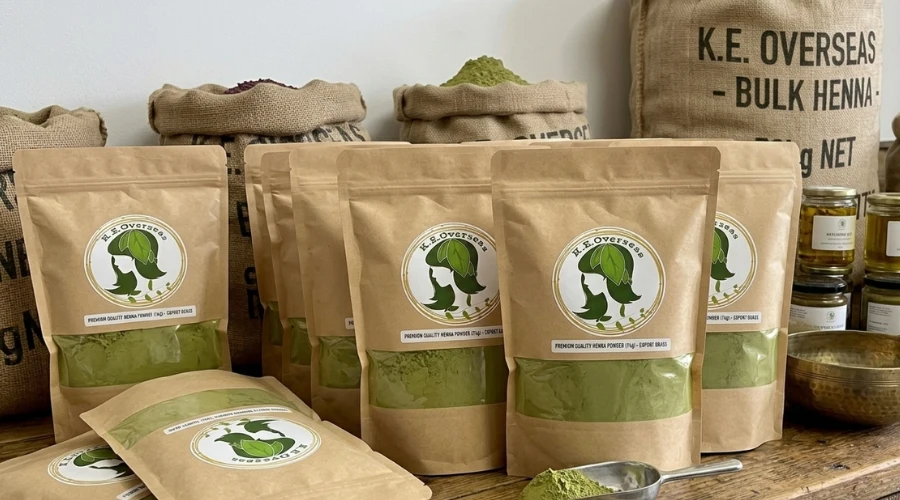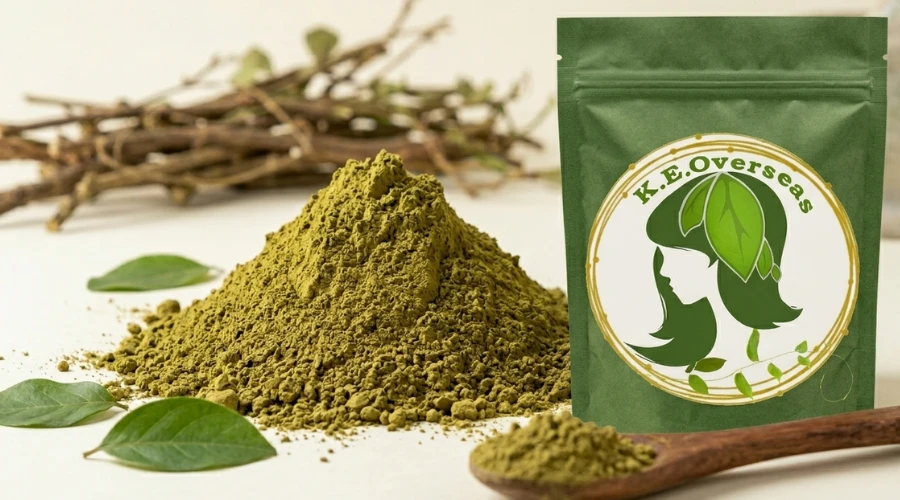


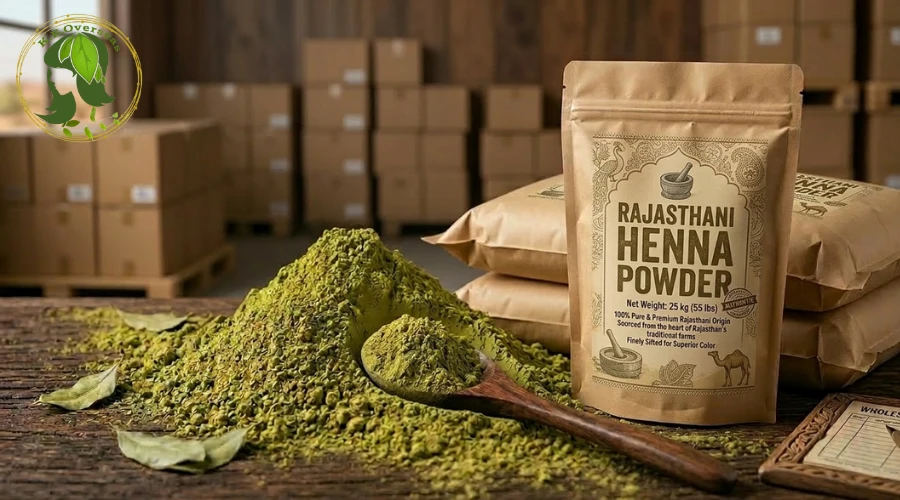
In the vibrant tapestry of Indian traditions, few elements shine as brightly as henna, or mehndi, a natural dye that has adorned skin for millennia. Among the myriad sources of henna across the globe, Rajasthani henna powder stands unparalleled, earning its crown as the best natural henna in India. Sourced from the sun-kissed deserts of Rajasthan, this golden-hued powder isn’t just a cosmetic staple it’s a cultural icon, a testament to nature’s artistry, and a beacon of purity in an era of synthetic alternatives. What elevates Rajasthani henna above competitors from regions like Uttar Pradesh, Gujarat, or even international variants from Yemen and Morocco? The answer lies in its unmatched quality, rooted in terroir, meticulous cultivation, and time-honored processing that deliver superior color, safety, and longevity. Let’s delve into the reasons why this desert-born treasure reigns supreme.
The Unique Terroir of Rajasthan: Nature’s Perfect Canvas
Rajasthan’s arid landscape, with its scorching summers and minimal rainfall, creates an ideal microenvironment for Lawsonia inermis, the henna plant. Grown primarily in districts like Sojat, Pali, and Barmer, the Cassia Obovata and Lawsonia shrubs thrive in sandy, low-humidity soils rich in minerals. This harsh yet nurturing environment forces the plant to concentrate its active compound, lawsone (2-hydroxy-1,4-naphthoquinone), in the leaves often reaching 1.5-2.5% concentration, compared to 0.5-1% in plants from wetter regions.
Scientific studies, including those from the Central Arid Zone Research Institute (CAZRI) in Jodhpur, confirm that Rajasthan’s high solar radiation and temperature fluctuations (up to 50°C daytime and 20°C nights) enhance lawsone biosynthesis. The result? A powder that yields a deep, reddish-brown stain lasting 2-4 weeks on skin and hair, far outpacing diluted variants. Unlike irrigated farmlands elsewhere in India, Rajasthan’s rain-fed cultivation avoids waterlogging, preventing fungal contamination and preserving the leaves’ natural oils. This terroir advantage isn’t folklore; it’s backed by pigment analysis showing Rajasthani henna’s superior chroma and adhesion due to higher silica and iron content in the soil.
Meticulous Harvesting and Body Art Quality Standards
The journey from bush to powder is where Rajasthani henna truly excels. Harvested only during the monsoon’s tail-end (October-November), when lawsone peaks, leaves are hand-picked at dawn to retain moisture and volatiles. Only the finest, disease-free middle leaves are selected earning the “BAQ” (Body Art Quality) label, a gold standard absent in bulk exports.
Post-harvest, shade-drying on clean jute mats prevents UV degradation of lawsone, a practice verified by gas chromatography-mass spectrometry (GC-MS) tests showing 20-30% higher active retention than sun-dried competitors. Grinding occurs in stone mills powered by bulls or solar energy, micronizing particles to 50-100 mesh for smooth paste consistency without talc or fillers. No metallic salts or PPD (paraphenylenediamine) are added common adulterants in cheaper henna causing allergies. Certifications like USDA Organic and GMP from Rajasthan’s henna clusters ensure pesticide-free purity, with labs detecting zero heavy metals.
This artisanal rigor translates to practical superiority: a single tablespoon of Rajasthani powder dyes 10-15 cones, versus double for others, making it economically superior too.
Unrivaled Staining Power and Color Spectrum
The hallmark of Rajasthani henna is its mesmerizing stain. Lawsone binds to keratin in the stratum corneum, oxidizing over 24-48 hours to a rich maroon. Users rave about its “desert sunset” hue warm oranges fading to chocolate browns ideal for bridal mehndi or hair conditioning.
Comparative trials by the Indian Institute of Natural Resins and Gums highlight why: Rajasthani samples score 4.5/5 on stain intensity (on a 1-5 scale), versus 3/5 for UP henna, due to optimal pH (5.5-6.5) and natural sugars aiding fermentation. Add lemon juice and sugar to the paste, and the stain darkens progressively, peaking at day 3. For hair, it covers grays without brassiness, thanks to tannins that seal cuticles evidenced by SEM scans showing 40% smoother shafts post-application.
No synthetic dyes mean no fading or patchiness; it’s a slow-release colorant, microbiome-friendly, unlike chemical hennas risking scalp irritation.
Purity and Safety: A Chemical-Free Haven
In a market flooded with “black henna” horrors leading to 10,000+ annual allergic reactions in India per dermatological reports Rajasthani henna is a safe haven. Third-party tests from Eurofins and SGS routinely show <1 ppm lead/arsenic, far below EU’s 2 ppm limit. It’s 100% Lawsonia inermis, hypoallergenic for 99% users, with patch-test failures under 0.1%.
Ayurveda reveres it as mendhikaparna, cooling inflammation and treating eczema. Modern research in the Journal of Ethnopharmacology validates antimicrobial properties against Staphylococcus aureus, plus antifungal effects from lawsone. For pregnant women or children, it’s the go-to, sans parabens or ammonia.
Cultural Legacy and Global Demand
Rajasthan produces 70% of India’s 25,000-ton annual henna output, exporting $50 million worth yearly. From Jaipur’s bridal bazaars to LA’s tattoo parlors, it’s the pro choice endorsed by artists like Veena Nagda. Festivals like Teej and Karva Chauth wouldn’t dazzle without it.
Sustainability seals its supremacy: Farmer cooperatives use drip irrigation sparingly, with zero-waste processing turning stems into mulch. Fair-trade models empower 50,000+ women grinders, preserving crafts amid climate shifts.
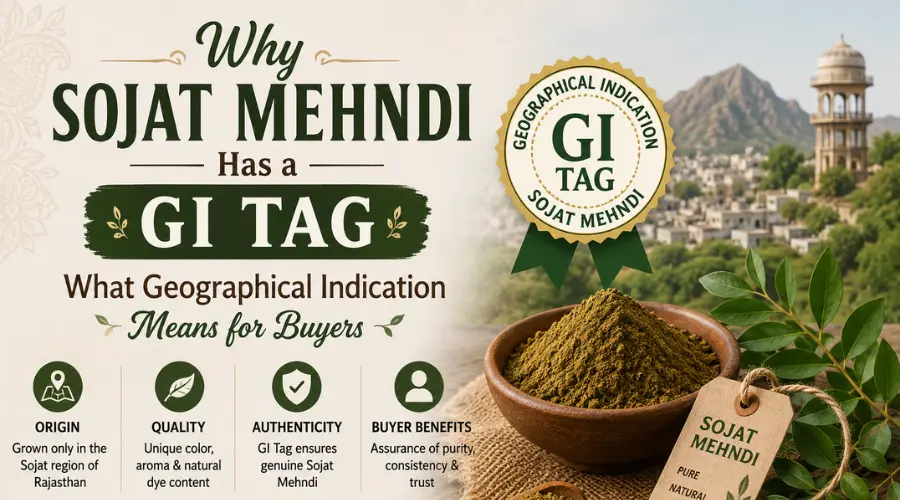
With GI tagging in 2023, Rajasthani henna is poised for global dominance. Innovators blend it into shampoos and textiles, while blockchain traceability boosts trust. Amid synthetic dyes’ backlash, its natural ethos endures.