

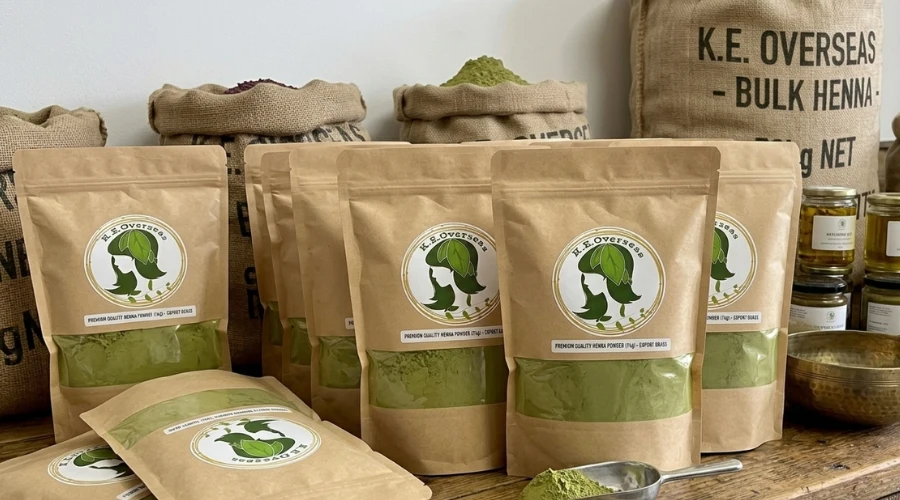
If you run a beauty business, a salon, or an online store selling natural hair and skin products, you’ve probably thought about adding henna to your lineup. It’s one of those products that never really goes out of style. But buying henna in bulk isn’t as simple as picking the first supplier that pops up in a Google search.
Quality varies wildly. Pricing can be confusing. And if you’ve never sourced wholesale henna powder before, it’s easy to end up with a batch that’s dull, adulterated, or just not worth what you paid for it.
This guide walks you through what actually matters when buying henna in bulk this year from understanding quality grades to spotting trustworthy henna suppliers.
Why Henna Powder Is Still in Demand
Henna has been used for centuries, but its popularity hasn’t faded if anything, it’s grown. Natural beauty brands are leaning harder into plant-based dyes and conditioning treatments, and henna fits right into that trend.
People use it for:
- Hair coloring and conditioning
- Temporary body art (mehndi)
- Natural skin and scalp treatments
- Cosmetic and herbal product formulations
Because demand spans so many industries beauty, wellness, art supplies, even textile dyeing the market for henna powder wholesale has stayed strong. That’s good news if you’re buying, but it also means there’s a flood of suppliers, and not all of them are equal.
What Makes Good Henna Powder, Anyway?
Before you even start contacting suppliers, it helps to know what you’re actually looking for. A few things separate premium henna from the cheap stuff that ends up disappointing customers.
Color release. Good henna should release a deep reddish-brown stain within a few hours of application. If it barely colors at all, or the color washes out fast, the leaves were likely harvested too early or stored poorly.
Fineness of the powder. Coarse, gritty henna is harder to work with, especially for body art. Fine, sifted powder mixes smoother and applies more evenly.
Smell. Fresh henna has an earthy, slightly grassy scent. If it smells musty or chemical, that’s a red flag.
Purity. This one matters most. Pure henna contains no metallic salts, PPD (para-phenylenediamine), or synthetic dyes. Some cheaper suppliers cut henna with additives to boost color intensity or shelf appearance which can cause allergic reactions and skin irritation.
A simple tip: ask any potential supplier for a certificate of analysis or lab test results. Reputable ones will have this ready.
Why Rajasthani Henna Powder Has a Reputation
If you spend any time researching henna sourcing, you’ll notice one region comes up again and again Rajasthan, India. There’s a reason for that.
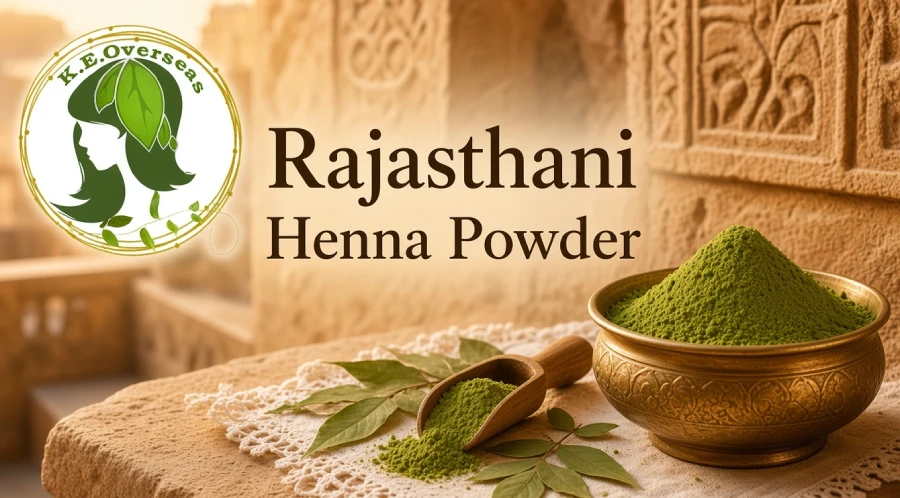
The Sojat district in Rajasthan is often called the henna capital of the world. The climate there hot, dry, with specific soil conditions produces henna leaves with unusually high dye content. That’s not marketing spin; it’s basically agricultural fact. Lawsonia inermis (the henna plant) thrives in arid conditions, and Rajasthan’s climate happens to be close to ideal.
This is why rajasthani henna powder is often considered a benchmark for quality in the wholesale market. It’s not that henna grown elsewhere is bad Sudan and Yemen also produce respected henna but Rajasthani henna tends to offer a strong, consistent, reddish-brown stain that buyers can count on batch after batch.
If a supplier can’t tell you where their henna is actually sourced from, that’s worth asking twice.
Understanding Henna Grades Before You Buy
Not all henna is sold at the same quality level, and pricing usually reflects that. Broadly, you’ll come across a few categories:
Body Art Quality (BAQ): This is the finest grade, specifically processed for mehndi artists. It’s sifted extremely fine and tested for high dye content. Expect to pay more for it.
Cosmetic/Hair Grade: Slightly coarser but still reliable for hair coloring and conditioning treatments. This is what most hair care brands buy in bulk.
Commercial/Industrial Grade: Lower cost, often used in textile dyeing or non-cosmetic applications. Not ideal for skin or hair products.
Knowing which grade fits your business saves you from overpaying for BAQ henna when a cosmetic grade would do the job just as well or worse, buying commercial-grade henna for a skincare line where purity really matters.
How to Choose the Right Henna Suppliers
This is probably the part you actually clicked on this article for. Finding henna suppliers you can trust takes a bit of legwork, but it’s worth doing properly before you commit to a large order.
1. Ask for samples first
Never place a bulk order without testing a sample batch. Apply it, check the stain color, note the texture, and see how it smells after a few days. A good supplier won’t hesitate to send samples if they do, that’s telling you something.
2. Check sourcing transparency
Ask exactly where the henna is grown and harvested. Suppliers dealing in genuine rajasthani henna powder should be able to name the region, sometimes even the specific farms or cooperatives they work with.
3. Look at packaging and storage practices
Henna loses potency when exposed to heat, light, and moisture over time. Ask how the supplier stores their stock and how quickly they turn over inventory. Powder that’s been sitting in a warehouse for two years won’t perform as well as a fresher batch.
4. Compare pricing carefully
Wholesale henna powder pricing depends on grade, quantity, and origin. Extremely cheap offers are usually a warning sign either the henna is old, adulterated, or mixed with filler ingredients like chickpea flour or amla powder to bulk up weight.
5. Read reviews and ask for references
If you’re sourcing internationally, ask the supplier to connect you with a few existing clients. A legitimate business with repeat buyers will usually be happy to do this.
Domestic vs. International Sourcing
If you’re based outside India, you’ll need to decide whether to buy from a local distributor or import directly from Indian henna suppliers.
Buying direct from India, particularly Rajasthan, often means better pricing and fresher stock, but it comes with longer shipping times, import regulations, and minimum order quantities that can be steep for smaller businesses.
Buying from a local distributor costs more per kilogram but simplifies logistics considerably faster delivery, easier returns, and no customs headaches. For businesses just starting to sell henna products, this route is often more practical, even with the higher price tag.
Common Mistakes First-Time Buyers Make
A few things trip up new buyers more than anything else:
Ordering too much on the first purchase. Start with a smaller trial order, even if the per-unit price is higher. It protects you if the quality doesn’t match expectations.
Ignoring the harvest date. Henna is seasonal. Ask when the batch was harvested, not just when it was packaged.
Skipping the patch test. Even pure henna can trigger sensitivities in some people. Always recommend or perform a patch test before full application, especially for hair and skin products.
Assuming cheaper always means the same product. Price differences usually reflect real differences in purity, grade, or freshness.
Buying wholesale henna powder in 2026 isn’t complicated once you know what to look for. Focus on purity, ask about sourcing (Rajasthani henna remains one of the most reliable options out there), request samples before committing to bulk quantities, and don’t automatically chase the lowest price.